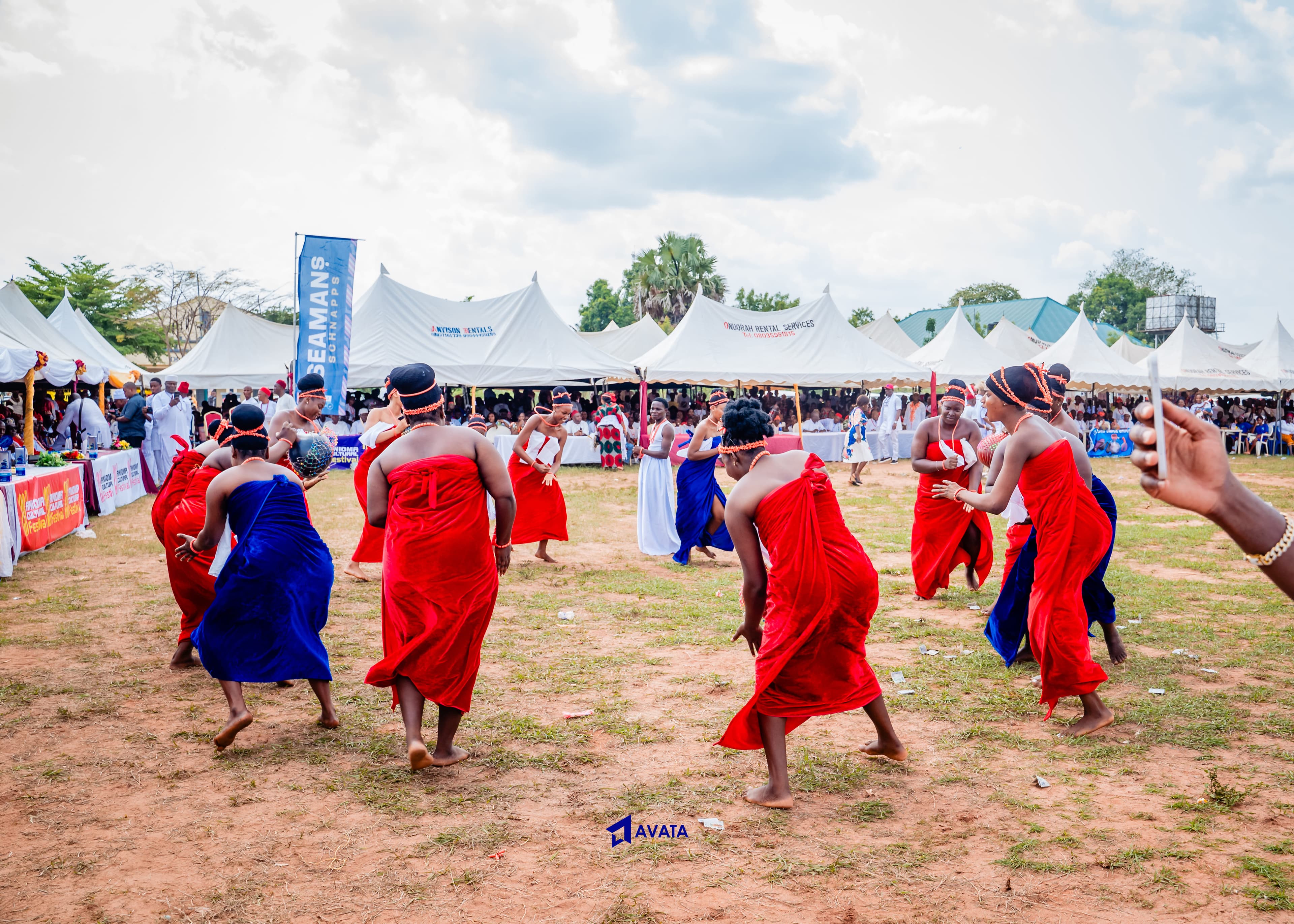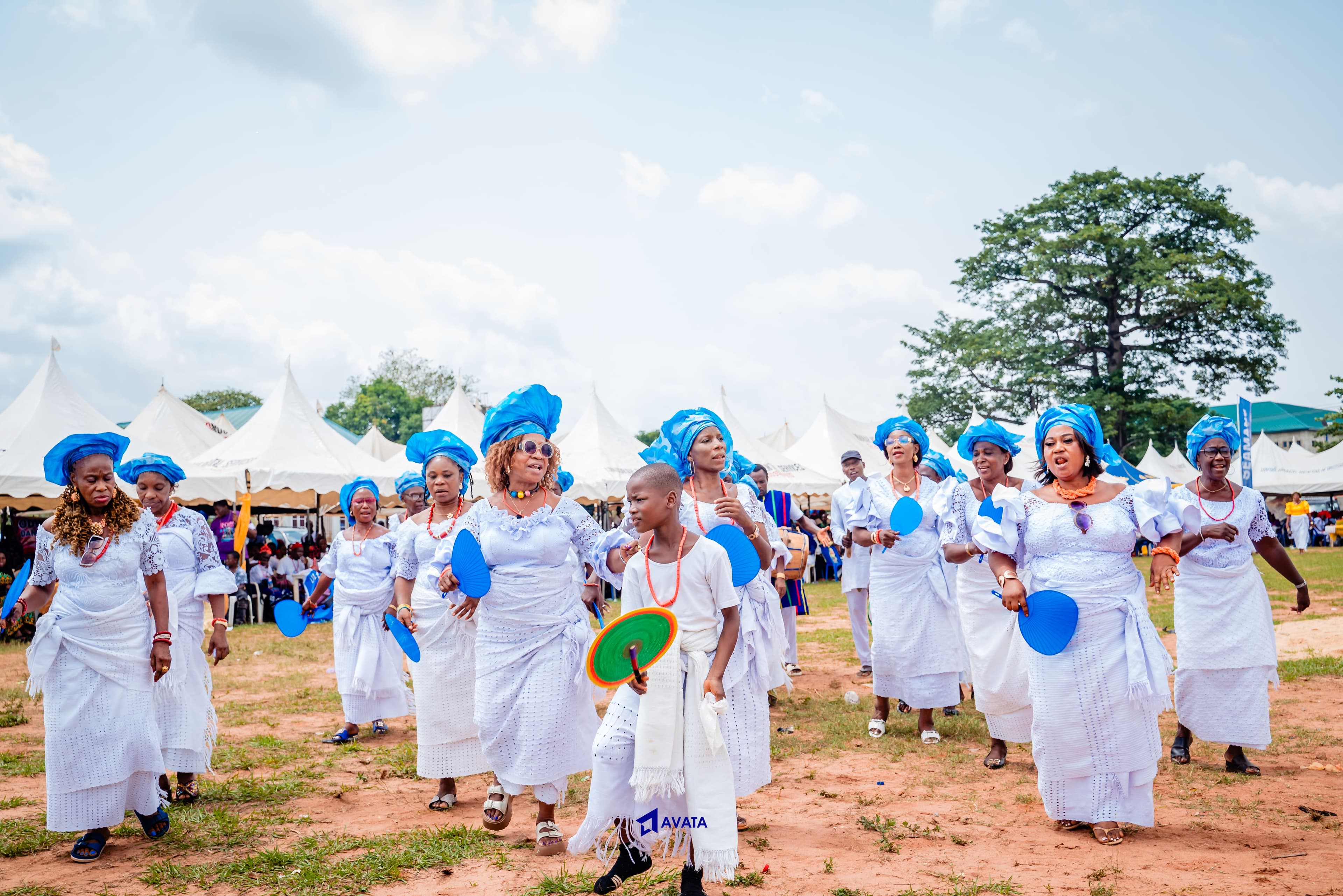
At the heart of Anioma culture lies the Akwa-Ocha, a traditional hand-woven white cloth that embodies the very essence of our people. More than just fabric, Akwa-Ocha is a profound symbol of pride, purity, and unity for the Anioma nation of Delta State, Nigeria.
Its intricate patterns and pristine white hue tell stories of our ancestors, our values, and our collective identity. Worn during significant ceremonies and celebrations, the Akwa-Ocha serves as a constant reminder of our rich heritage and the enduring spirit of the Anioma people.
Origins and Craftsmanship
The weaving of Akwa-Ocha is a skill passed down through generations, a heritage in itself. Skilled artisans spend days—sometimes weeks—on a single piece, using traditional looms that have remained largely unchanged for centuries. Each thread is a deliberate act of cultural preservation.
The cloth is characterized by its brilliant white base, which symbolizes purity and moral integrity in Anioma cosmology. Adorned with subtle geometric patterns in subdued hues, each motif carries meaning—community ties, ancestral blessings, or the wearer's social standing.
Significance in Ceremony
From title-taking ceremonies to royal coronations, from naming ceremonies to the annual Anioma Cultural Festival, the Akwa-Ocha is omnipresent. It is the cloth of honor—reserved for moments of deep cultural significance. To wear it is to align oneself with the values, traditions, and legacy of the Anioma nation.
A Living Heritage
OFAAC has long championed the promotion of the Akwa-Ocha, not just as a ceremonial garment, but as a statement of identity in modern contexts. Encouraging Anioma sons and daughters to wear the Akwa-Ocha in daily life is a form of quiet, powerful cultural advocacy.
In a world where indigenous traditions are rapidly eroding, the Akwa-Ocha stands as a beacon—proof that culture, when cherished, endures. It is not just a cloth. It is Anioma.
Written by OFAAC Editorial · March 15, 2025
More Articles