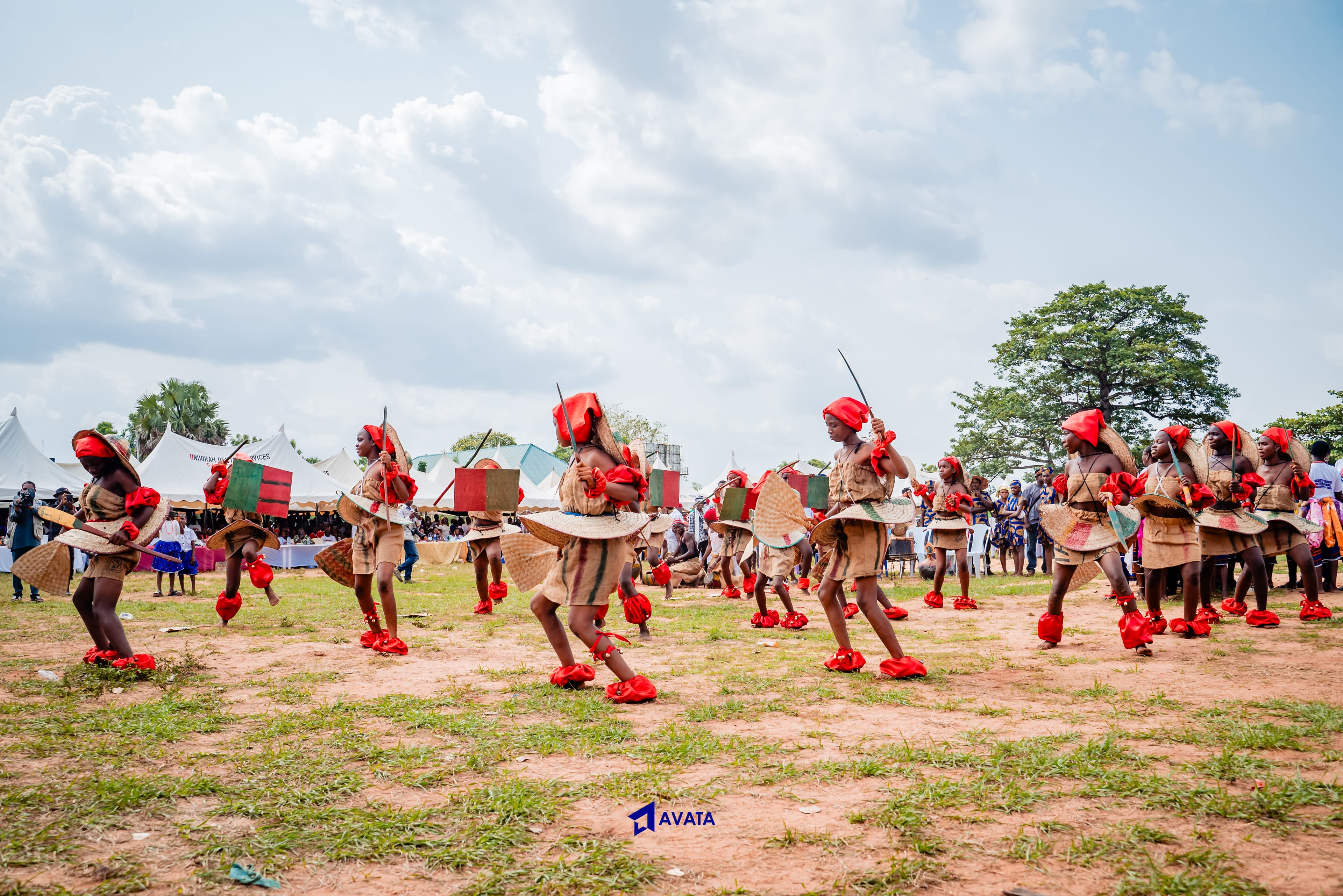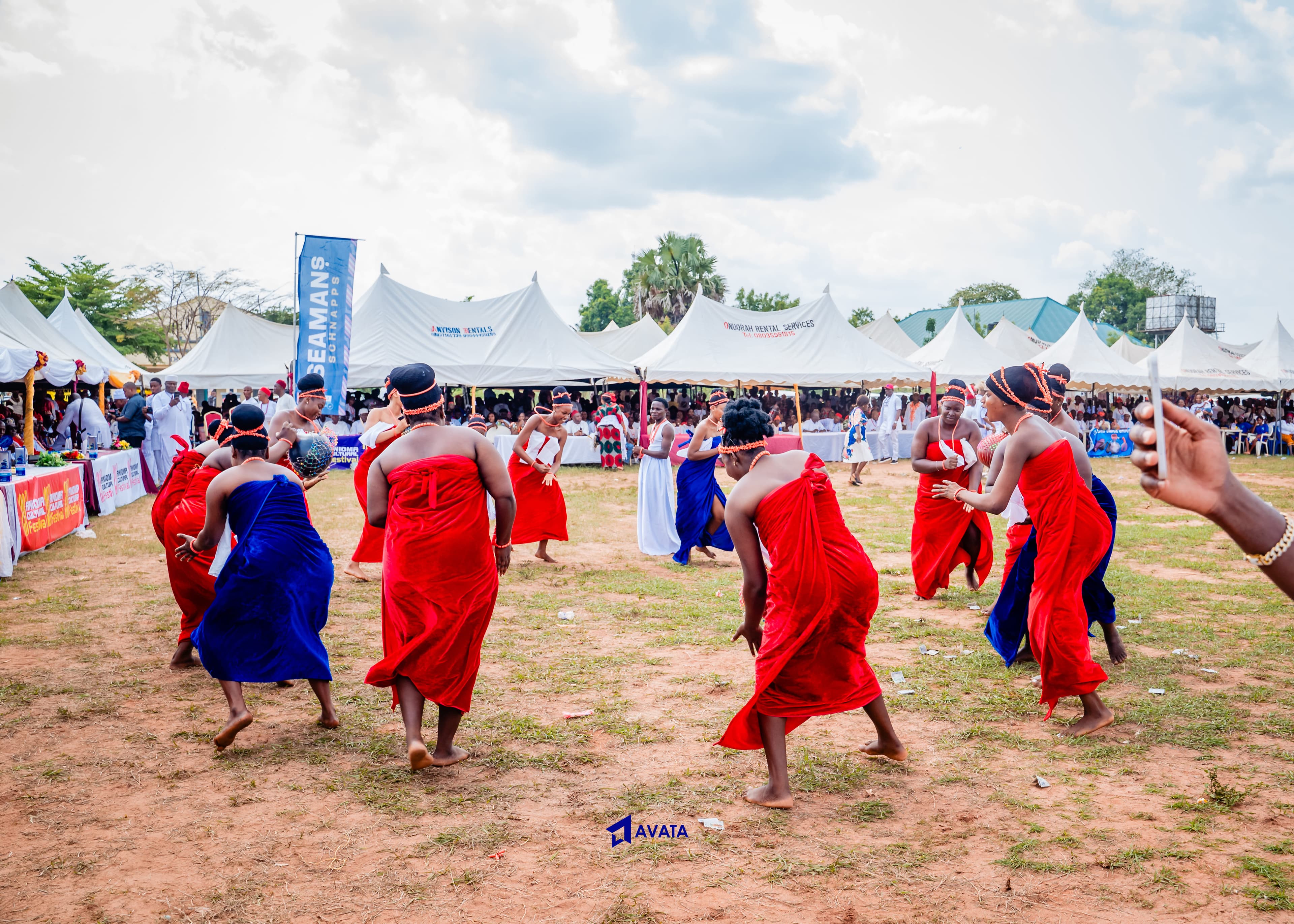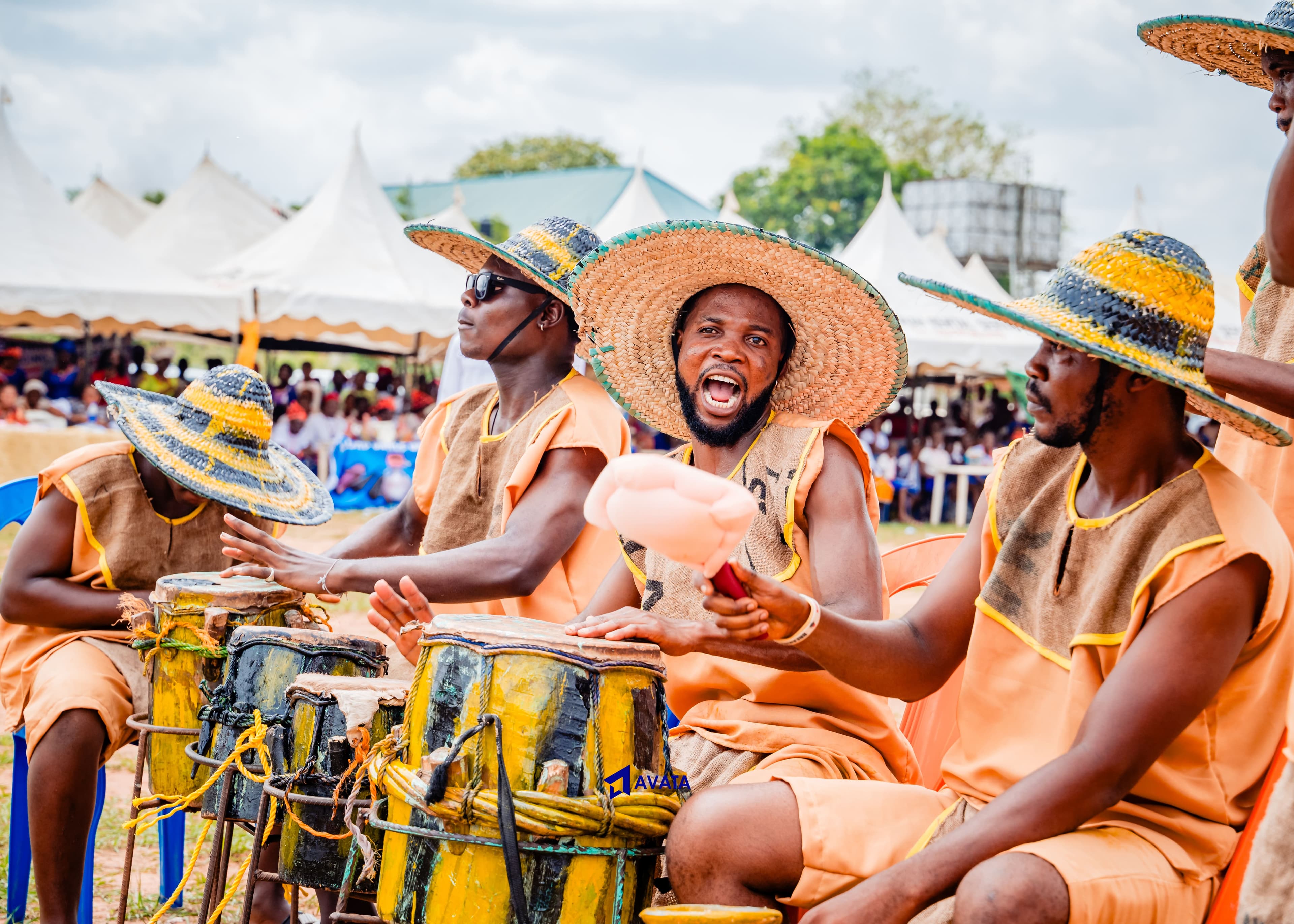
The Anioma people—sometimes referred to as the Western Igbo—inhabit the western bank of the Niger River in Delta State, Nigeria. Their history is rich, layered, and deeply interwoven with the broader narrative of Igbo civilization and the Niger Delta region.
Etymology and Identity
"Anioma" is derived from the phrase "Ani Oma," meaning "Good Land" in the Igbo language. This name captures both the geographic beauty of the region—its fertile lands, rivers, and forests—and the people's deep reverence for their homeland.
The Anioma people comprise nine local government areas: Aniocha North, Aniocha South, Ika North East, Ika South, Ndokwa East, Ndokwa West, Oshimili North, Oshimili South, and Ukwuani. Together, they form a culturally cohesive unit with shared traditions, languages, and worldviews.
Ancient Origins
Archaeological evidence and oral tradition both point to the Anioma people having occupied their current homeland for many centuries. Many Anioma communities trace their origins to migrations from the ancient Igbo heartland to the east of the Niger River, with some traditions pointing to founding ancestors who led their people across the great river to establish new kingdoms.
The Kingdom of Asaba, for instance, traces its origins to the legendary Nnebisi, whose legacy continues to shape the identity of Asaba residents to this day.
Cultural Distinctiveness
While sharing the Igbo linguistic and cultural heritage, the Anioma people have developed distinct local traditions, dialects, and practices. The Akwa-Ocha cloth, unique masquerade traditions, and distinctive cuisine set Anioma apart as a culturally rich and irreplaceable segment of Nigeria's heritage.
Understanding where the Anioma people come from is essential to appreciating the depth of the culture that OFAAC works tirelessly to preserve. The past is not behind us—it is the ground we stand on.
Written by OFAAC Editorial · February 10, 2025
More Articles