Ibusa Professionals in Diaspora Want to Contribute to Community Development But Need Better Engagement Structures – Henry-Ajudua, Foot and Ankle Surgeon


By Emeka Esogbue
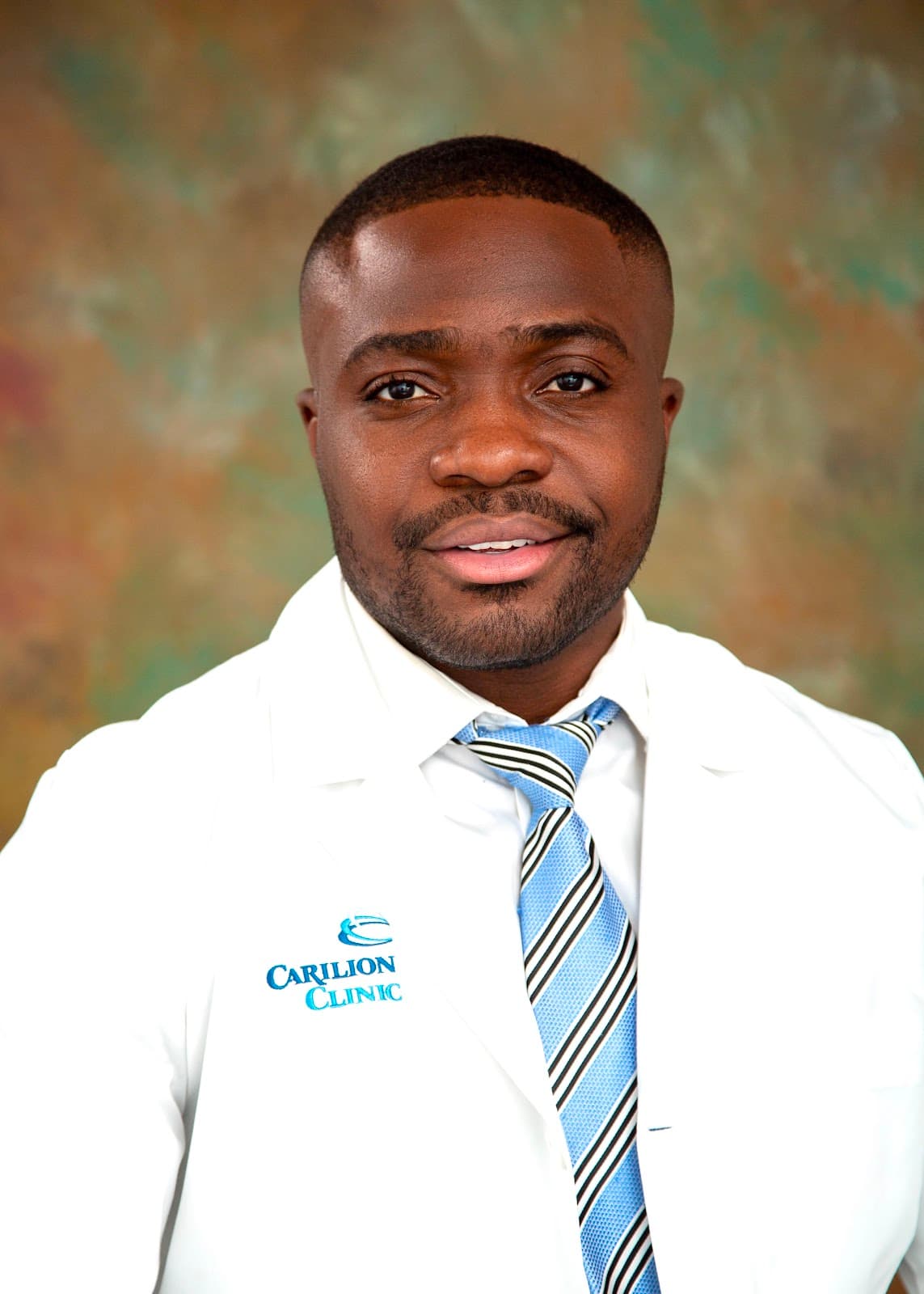
United States-based medical professional and Foot and Ankle Surgeon, Dr. Emmanuel Henry-Ajudua, has said that many accomplished Ibusa sons and daughters living abroad are eager to contribute meaningfully to the development of their hometown but are often uncertain about the appropriate structures and channels through which they can effectively engage.
Dr. Henry-Ajudua made the remarks during an interview with media influencer and journalist, PEN MASTER (Emeka Esogbue), in a discussion that has since gained wide circulation across several social media platforms, including Channels Television's digital platforms.
Speaking on the relationship between successful Ibusa professionals in the diaspora and young people back home, Dr. Henry-Ajudua addressed a growing perception that many accomplished individuals who have attained professional success abroad rarely return to mentor, support or invest in the next generation.
While acknowledging that such perceptions may have some basis, he stressed that the reality is often more complex than many people assume.
"I understand why that perception exists, and in some cases there may be some truth to it. But I also believe we should be careful not to judge without understanding individual circumstances. Many professionals abroad genuinely want to contribute but often struggle to identify structured opportunities to engage effectively."
According to the renowned surgeon, the willingness to give back exists among many professionals in the diaspora, but the absence of organised platforms, clearly defined community initiatives and sustainable engagement mechanisms often makes meaningful participation difficult.
He noted that many Ibusa professionals abroad are willing to support educational programmes, mentor young people, sponsor career development initiatives, provide healthcare outreach, invest in entrepreneurship and contribute to broader community development efforts. However, they frequently lack reliable information on whom to work with, the credibility of available organisations and the most impactful ways to channel their resources.
Dr. Henry-Ajudua therefore called for stronger institutional frameworks within the community that would bridge the gap between the diaspora and home-based development initiatives, making it easier for professionals abroad to contribute their expertise, networks and resources.
He further emphasised that success should never be viewed as a personal achievement alone but as a responsibility to uplift others.
"If God has elevated you, it is because someone before you opened a door. Our responsibility is to hold that door open for those coming behind us. That is the culture we must build."
The surgeon urged successful Ibusa sons and daughters, irrespective of where they reside, to remain connected to their roots and intentionally invest in the next generation by sharing knowledge, creating opportunities and supporting initiatives capable of transforming lives.
He maintained that sustainable community development requires collective effort, adding that every successful individual has a role to play in inspiring and empowering younger generations.
Dr. Henry-Ajudua also encouraged young people in Ibusa to remain focused on their educational and professional aspirations despite prevailing challenges. He advised them to cultivate discipline, pursue excellence, remain steadfast in their faith and continually seek opportunities for self-improvement.
He reminded them that genuine success is built on consistency, hard work and strong values, urging them never to lose sight of their identity and heritage regardless of how far life may take them.
"Remain determined in your career pursuits, value education, stay rooted in faith and always remember where you come from," he advised.
The interview comes amid growing conversations within the Ibusa community on strengthening youth mentorship, leadership development and greater collaboration between accomplished professionals in the diaspora and stakeholders at home.
It will be recalled that PEN MASTER had previously advocated for increased interaction between the children of prominent Ibusa personalities and other youths within the community, arguing that stronger social integration would help foster unity and inspire younger generations.
Pen Master also appealed to capable Ibusa sons and daughters to establish non-governmental organisations dedicated to youth development while encouraging increased support for existing organisations already working to empower young people through education, mentorship, skills acquisition and leadership programmes.
Many community observers believe that improved collaboration between diaspora professionals, traditional institutions, community development bodies and youth-focused organisations could unlock enormous opportunities for Ibusa's social and economic development, particularly in the areas of education, healthcare, entrepreneurship, technology and leadership development.
Dr. Henry-Ajudua's remarks have further reinforced ongoing calls for the creation of structured platforms that will enable Ibusa professionals around the world to contribute their knowledge, experience and resources in a coordinated manner, ensuring that future generations benefit from the achievements and sacrifices of those who have gone before them.
Written by Emeka Esogbue - The Pen Master · July 7, 2026
More Articles