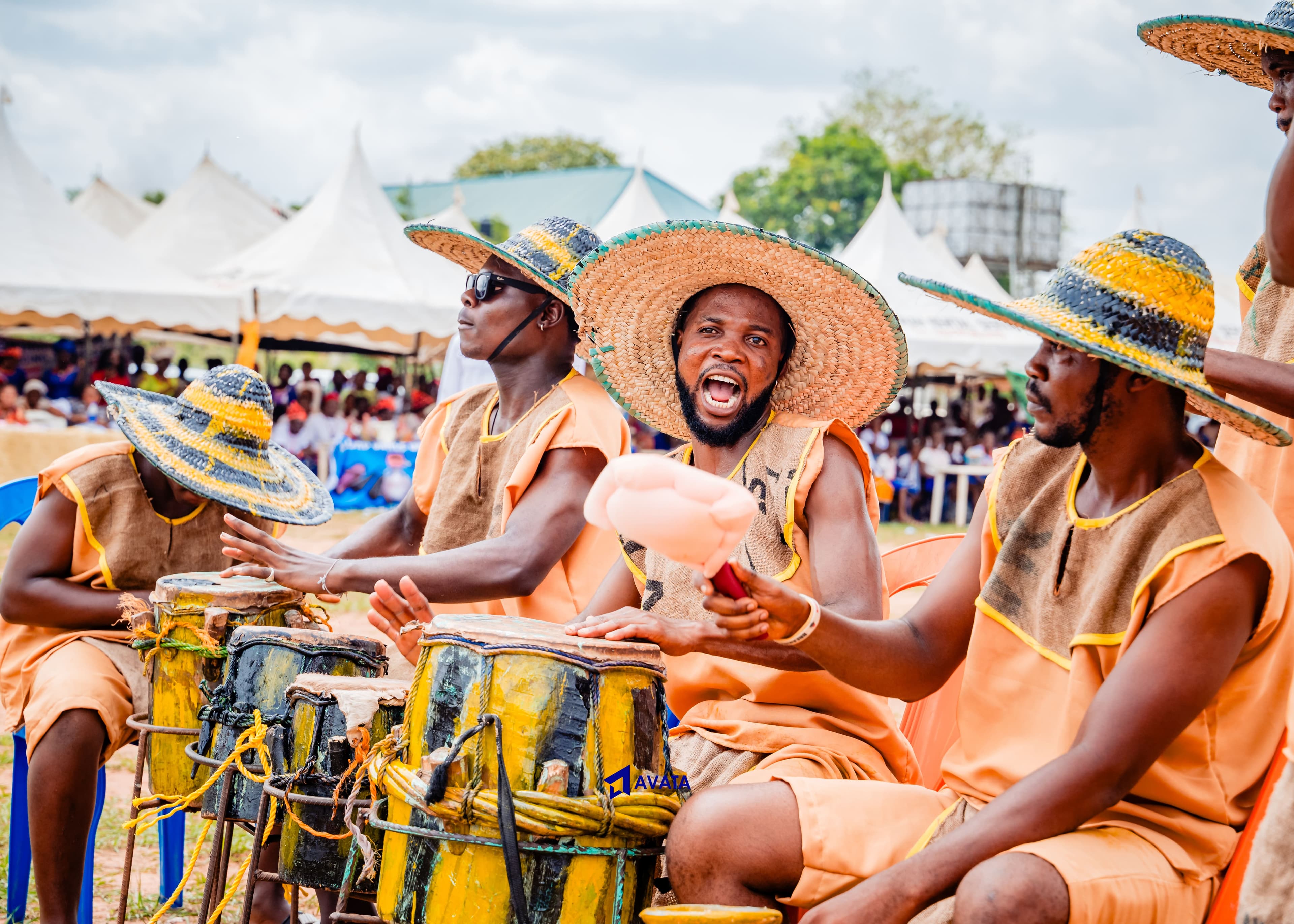
How the Onicha-Olona People Retained the Indigenous “Onicha” but Lost “Olomina” to “Olona”
By Emeka Esogbue
Colonial rule left a durable imprint upon the nomenclature of many Anioma communities. In the course of British administration, missionary activity, and cartographic documentation, indigenous place-names were frequently rendered into English orthography in ways that reflected phonetic approximation and administrative convenience rather than indigenous linguistic form. In this process, Ọnicha was recorded as Onitsha in official usage, while numerous other local names underwent similar transformations.
Yet the people of Onicha-Olona achieved a notable reversal in part of this colonial legacy. In the post-colonial period, the community successfully reasserted the indigenous form Onicha, displacing the anglicized Onitsha from its local identity. The second element of the name, however, followed a different trajectory: while Onicha was recovered, Olomina gradually gave way to Olona, a shortened form that ultimately became established in both official records and common usage. This divergence offers a useful case study in the uneven survival of indigenous toponyms under colonial and post-colonial conditions.
During the late nineteenth and early twentieth centuries, British administrators, missionaries, and surveyors frequently anglicized place-names across the Anioma-speaking areas (now largely within present-day Delta State). Communities such as Ibusa, Asaba, Okpanam, Kwale, Agbor, among others, were variously rendered in colonial records according to the ear and orthographic habits of European recorders. This practice arose in part because colonial officials transcribed names as they heard them, employing English spelling conventions to approximate unfamiliar phonologies. In addition, several phonetic features in Anioma languages lacked direct English equivalents, further complicating transcription.
As numerous Nigerian historians have observed, inconsistency was widespread: different colonial officers often recorded the same locality in divergent forms, reflecting the absence of a standardized orthography in the early period of contact. Missionaries, likewise, sometimes adopted spellings shaped by their own linguistic frameworks. Over time, once a particular spelling entered official circulation whether through maps, court records, or administrative correspondence tended it to acquire authoritative status.
The name Onicha was among the early casualties of this process. By 1841, British officials were already documenting the commercial settlement on the eastern bank of the Niger as Onitsha. William Allen, commander of the 1841 Niger Expedition, recorded the settlement in his official journal and subsequent publication, consistently employing the form Onitsha rather than the indigenous Onicha Ado n’Idu. His account stands among the earliest European documentary sources to standardize this spelling.
Subsequent works, including the mid-nineteenth-century reports of William Balfour Baikie, the writings of James Schön, and Admiralty charts of the 1840s and 1850s, reinforced this orthographic convention. By the second half of the nineteenth century, Onitsha had become firmly established in colonial maps and administrative documents. Samuel Ajayi Crowther, who participated in the 1841 expedition and later returned as part of the Church Missionary Society mission in 1857, further consolidated this usage. His linguistic works, translations, and correspondence widely circulated within missionary and colonial networks employed the spelling Onitsha, thereby lending it additional authority in both ecclesiastical and administrative contexts.
Crowther’s broader role in the early codification of Igbo orthography contributed significantly to the stabilization of such forms within written discourse. As a result, Onitsha became standardized in missionary literature, colonial administration, and later official documentation.
When British officials encountered another settlement named Ọnicha-Olomina west of the Niger, they frequently applied the already established spelling pattern, rendering it as Onitsha-Olona. Colonial records, however, reveal considerable variation in the transcription of the name, reflecting the fluidity of early administrative orthography. Attested forms include:
* Onitsha-Olona
* Onicha-Olona
* Onitsha Olona
* Onicha Olona
Such variation underscores the extent to which phonetic approximation and administrative habit, rather than consistent linguistic analysis, shaped colonial nomenclature.
Given the prior familiarity of British officials with Onitsha as a major Niger River trading center, it was common for that spelling template to be extended to other settlements beginning with similar phonetic structures. From the perspective of indigenous pronunciation, however, Onicha more closely reflects the original phonological form than Onitsha, where the “tsh” cluster reflects English orthographic adaptation rather than indigenous phonetics.
By the early twentieth century, forms such as Onitsha-Olona had become dominant in colonial intelligence reports, assessment documents, provincial administrative records, court proceedings, census materials, and cartographic outputs. Nevertheless, local usage continued to preserve the pronunciation Onicha Olona.
Within local historical traditions, the name is often traced further back to an earlier form, Onicha-Olomina. Oral accounts maintain that Olomina represents the original second element of the toponym, later reduced in colonial transcription. One such tradition recounts events associated with early settlement and conflict involving Benin migrants, in which a figure named Nwadili Olomina is said to have played a prominent role. In this narrative cycle, subsequent transformations of the landscape and community memory are reflected in symbolic accounts of place-naming, including references such as “Ndi Onochi Olomina,” interpreted locally as “those who subdued Olomina.”
Within this interpretive framework, it is further suggested in some accounts that Olomina was later rendered as Olona in colonial records, possibly influenced by phonetic simplification and occasional analogies drawn by European recorders to known European toponyms. Such claims remain part of oral historiography and should be understood within the broader methodological category of indigenous toponymic memory, which often preserves alternative explanatory traditions alongside archival records.
What remains historically significant is the asymmetry in the survival of the compound name. While the element Onicha was ultimately restored and reaffirmed in local identity, the second element, Olomina, was largely displaced by Olona, a form that appears to lack clear semantic correspondence within the wider Enuani or Anioma linguistic context.
Written by Emeka Esogbue - The Pen Master · July 3, 2026
More Articles